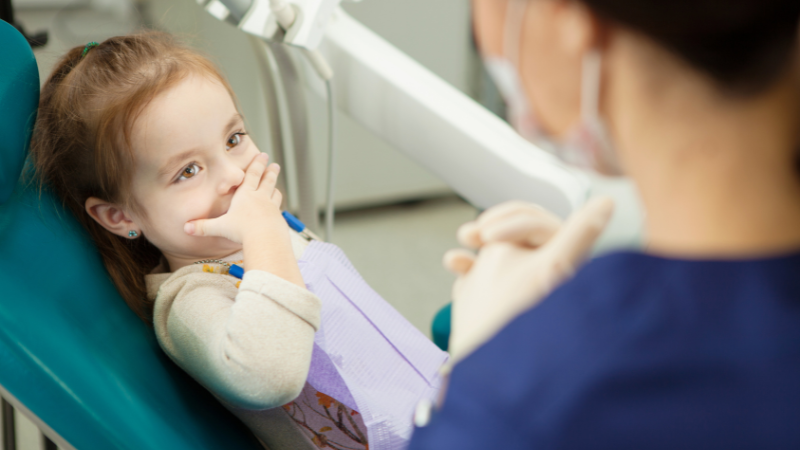

Minimal intervention dentistry has become a central philosophy in modern clinical practice. In paediatric dentistry, this approach is especially valuable. Preserving tooth structure, maintaining pulp vitality, and avoiding unnecessary procedures are important goals when treating young patients.
However, minimal intervention should never be confused with doing nothing. Most paediatric failures are not from being too aggressive , they’re from being too late.
When applied correctly, minimal intervention helps protect teeth and avoid unnecessary restorative cycles. When applied incorrectly, it can lead to delayed treatment, pulpal complications, and preventable failures.The real goal in paediatric dentistry is getting the tooth to exfoliation without pathology.
This article was developed in collaboration with Australian Oral Health Therapist Jade Martens, who works closely with children in clinical practice and emphasises that minimal intervention must always be supported by careful diagnosis and caries risk assessment.
The key is understanding when conservative management is appropriate and when intervention is necessary.
Minimal Intervention Is Not Passive Monitoring
Minimal intervention dentistry is sometimes misunderstood as simply monitoring lesions until they progress.
In reality, minimal intervention requires active disease management.
As Jade Martens explains, monitoring lesions with crossed fingers is not minimal intervention. Undertreatment can be just as problematic as overtreatment in deciduous teeth.
Primary teeth with active caries can deteriorate quickly. Delaying treatment when intervention is required may lead to pulpal complications, pain, infection, and the need for more complex procedures.
Minimal intervention is most effective when clinicians intervene early with strategies designed to slow or arrest disease progression.
These approaches may include:
• Remineralisation strategies
• Preventive sealants
• Selective caries removal
• Stainless steel crowns using the Hall Technique
• Behavioural and dietary interventions
The goal is to manage disease while preserving as much tooth structure and pulp vitality as possible.
Why Primary Teeth Deserve Careful Management
Primary teeth are sometimes underestimated because they will eventually exfoliate. However, untreated disease in deciduous teeth can have significant consequences.
Caries in primary teeth can lead to pain, infection, premature tooth loss, and space loss. These complications may affect occlusal development and increase the complexity of future orthodontic treatment.
Beyond biological consequences, early dental experiences play an important role in shaping a child’s long term relationship with dentistry.
Jade Martens highlights that minimal intervention in children is not only about managing caries. It is also about shaping lifelong dental attitudes.
Both overtreatment and delayed treatment failures can negatively affect a child’s trust in dental care. Providing thoughtful, effective care helps build positive experiences that support long term oral health.
Caries Risk Assessment Is Essential
Minimal intervention works best when it is paired with a structured caries risk assessment.
Understanding a child’s risk profile allows clinicians to tailor treatment and prevention strategies appropriately.
Factors commonly considered include:
• Previous caries experience
• Oral hygiene habits
• Dietary patterns
• Fluoride exposure
• Salivary factors
• Behavioural and socioeconomic influences
Without risk assessment, treatment decisions may become inconsistent. A structured assessment helps determine when preventive care is sufficient and when restorative intervention may be required.
Children with higher caries risk require closer monitoring and more proactive management. Lower risk patients may be managed successfully with preventive strategies and careful observation.
Diagnosis Determines Whether Conservative Care Will Succeed
Accurate diagnosis is one of the most important factors in successful minimal intervention dentistry.
One of the most critical distinctions is determining whether pulpal inflammation is reversible or irreversible.
Conservative approaches are most successful when the pulp remains healthy or only mildly inflamed. If pulpal status is misjudged, conservative management may simply delay inevitable failure.
For example, attempting remineralisation or selective caries removal in a tooth with irreversible pulpitis will not prevent disease progression. Instead, it may lead to worsening symptoms and emergency treatment later.
Careful clinical examination, radiographic evaluation, and assessment of symptoms are essential before selecting a conservative management strategy.
Practical Techniques Used in Minimal Intervention
Several techniques support minimally invasive management of caries in children.
Remineralisation
Early enamel lesions can often be arrested or reversed through remineralisation strategies. Fluoride varnish applications, improved oral hygiene, and dietary changes can help slow or stop lesion progression.
These approaches are particularly effective when lesions are detected early.
Fissure Sealants
Fissure sealants provide a protective barrier that prevents bacteria from colonising susceptible pits and fissures. In high risk patients, sealing early lesions may prevent progression into dentine.
Sealants are a valuable preventive tool when combined with ongoing risk management.
Selective Caries Removal
Selective caries removal focuses on removing infected dentine while leaving affected dentine near the pulp to avoid exposure. This technique helps preserve pulp vitality while controlling disease.
Selective removal is often preferred in deep lesions where complete excavation increases the risk of pulpal exposure.
The Hall Technique
The Hall Technique involves placing a stainless steel crown over a carious primary molar without removing caries. By sealing the lesion from the oral environment, bacterial activity is reduced and disease progression slows.
This approach can be particularly useful in young or anxious patients because it often avoids local anaesthesia and extensive tooth preparation.
Avoiding the Restoration Cycle
One advantage of minimal intervention dentistry is the potential to delay or prevent the restorative cycle.
Traditional restorative treatment often initiates a sequence of replacement restorations throughout a patient’s lifetime. Each replacement typically removes additional tooth structure.
Primary teeth have thinner enamel and dentine compared with permanent teeth, making preservation of tooth structure especially important.
By managing disease early and conservatively, clinicians can maintain pulp vitality and allow primary teeth to function until natural exfoliation.
Minimal Intervention and the Child’s Dental Experience
Minimal intervention in paediatric dentistry is not only about preserving teeth. It is also about creating positive dental experiences.
Early dental visits influence how children perceive dental care throughout their lives. Positive experiences build confidence and trust, while painful or traumatic visits may lead to long term dental anxiety.
Jade Martens emphasises that treatment decisions should consider both clinical outcomes and the child’s experience in the dental chair.
Aggressive overtreatment may create unnecessary stress for young patients. At the same time, delayed treatment failures that result in pain or emergency visits can be equally damaging.
Thoughtful minimal intervention allows clinicians to provide care that is conservative, effective, and supportive of positive dental experiences.
A Balanced Approach to Managing Caries in Children
Minimal intervention dentistry is a powerful approach when used appropriately.
When supported by accurate diagnosis and structured caries risk assessment, it allows clinicians to preserve tooth structure, maintain pulp vitality, and reduce the need for invasive treatment.
However, minimal intervention does not mean avoiding treatment altogether.
Effective care requires active disease management, sound clinical judgement, and careful monitoring of lesion progression.
As Jade Martens highlights, minimal intervention protects outcomes in early and deep symptom free lesions when the correct strategies are used.
When applied well, it supports not only healthier teeth, but also healthier relationships with dentistry that can last a lifetime.